Cilento · UNESCO Heritage

Pollica & Pioppi
the home of the Mediterranean Diet

Ancel Keys' village, the sea of Acciaroli and its centenarians, the blue heart of Cilento

Discover the village
Cilento · UNESCO Heritage

Tradition & Mediterranean Diet

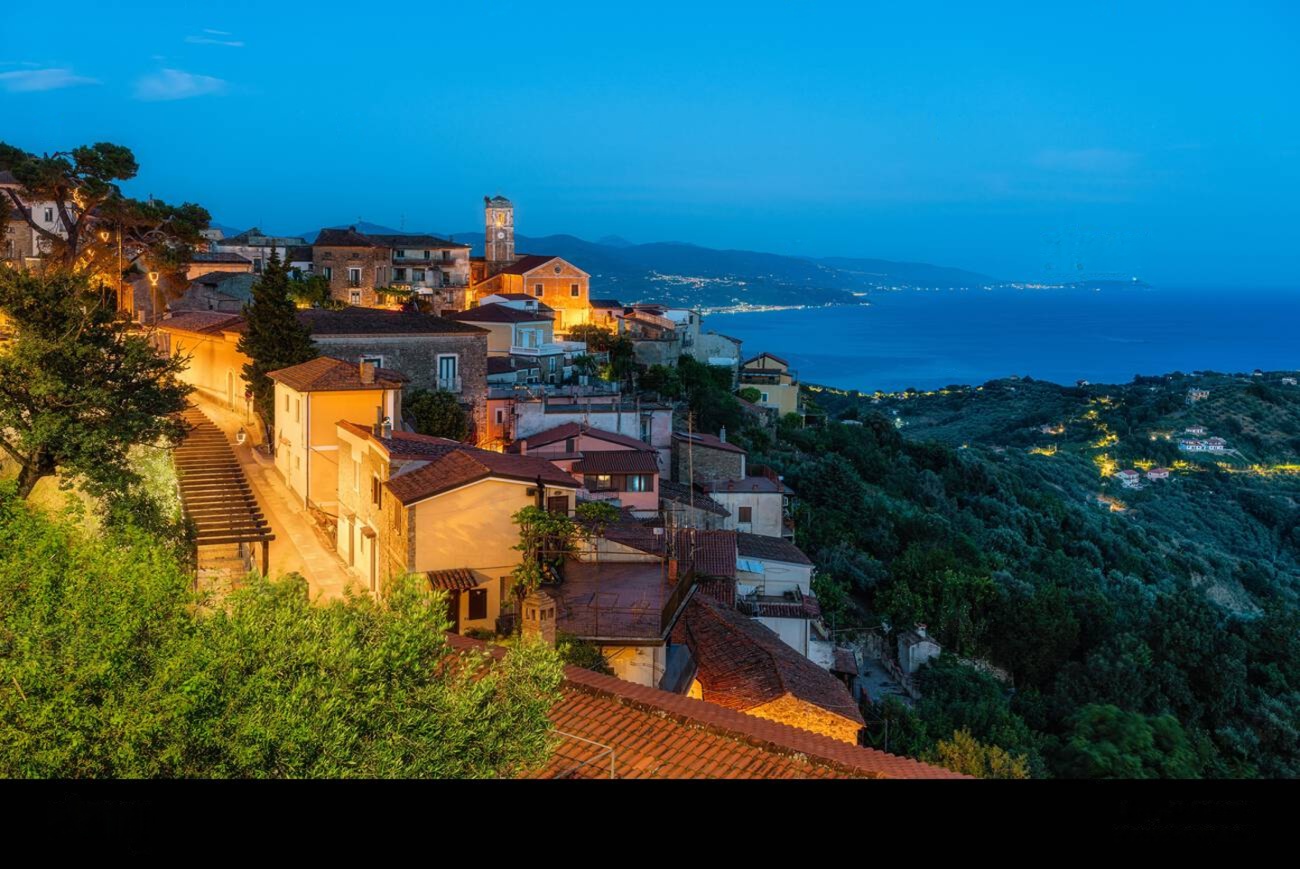
Pollica is the Cilento municipality that holds some of the most iconic places of the Mediterranean: Pioppi, where Ancel Keys lived for over forty years and the modern Mediterranean Diet was born; Acciaroli, the seaside village studied by scientists from all over the world for its very high percentage of centenarians; and the Castle of the Capano Princes perched above the historic village. Unmissable stops in the heart of Cilento National Park.

Mediterranean Diet

Pioppi, where the Mediterranean Diet was born

In 1962 the American physiologist Ancel Keys moved to Pioppi together with his wife Margaret and stayed for over 40 years, until 2004. At Minnelea, his house by the sea, he studied the eating habits, longevity and cardiovascular diseases of the people of Cilento: thus was born the Seven Countries Study, through which the whole world knows today the Mediterranean Diet. In 2010 UNESCO recognised it as Intangible Cultural Heritage of Humanity, and Pollica is one of the seven emblematic communities of the designation, together with Soria (Spain), Koroni (Greece), Chefchaouen (Morocco), Agros (Cyprus), Brač–Hvar (Croatia) and Tavira (Portugal).

Visit the Living Museum
What to do in Pollica and Pioppi

Three unmissable experiences

From the Living Museum of the Mediterranean Diet to the Castle of the Capano Princes, all the way to the village of the centenarians of Acciaroli: three stops to experience Pollica slowly, the Cilento way, discovering the culture, nature and cuisine of a territory recognised by UNESCO.

Living Museum of the Mediterranean Diet — Palazzo Vinciprova, Pioppi Discover
Living Museum of the Mediterranean Diet
Pioppi · Palazzo Vinciprova · All year Living Museum of the Mediterranean Diet Housed in the 16th-century Palazzo Vinciprova in Pioppi, it tells the history, science and culture of the Mediterranean Diet: interactive rooms, herbarium, oil room, the studies of Ancel Keys and the Seven Countries Study. Full: €5, reduced €3. Open Tuesday to Sunday.
Find out more
Castle of the Capano Princes — Pollica Discover
Capano Castle
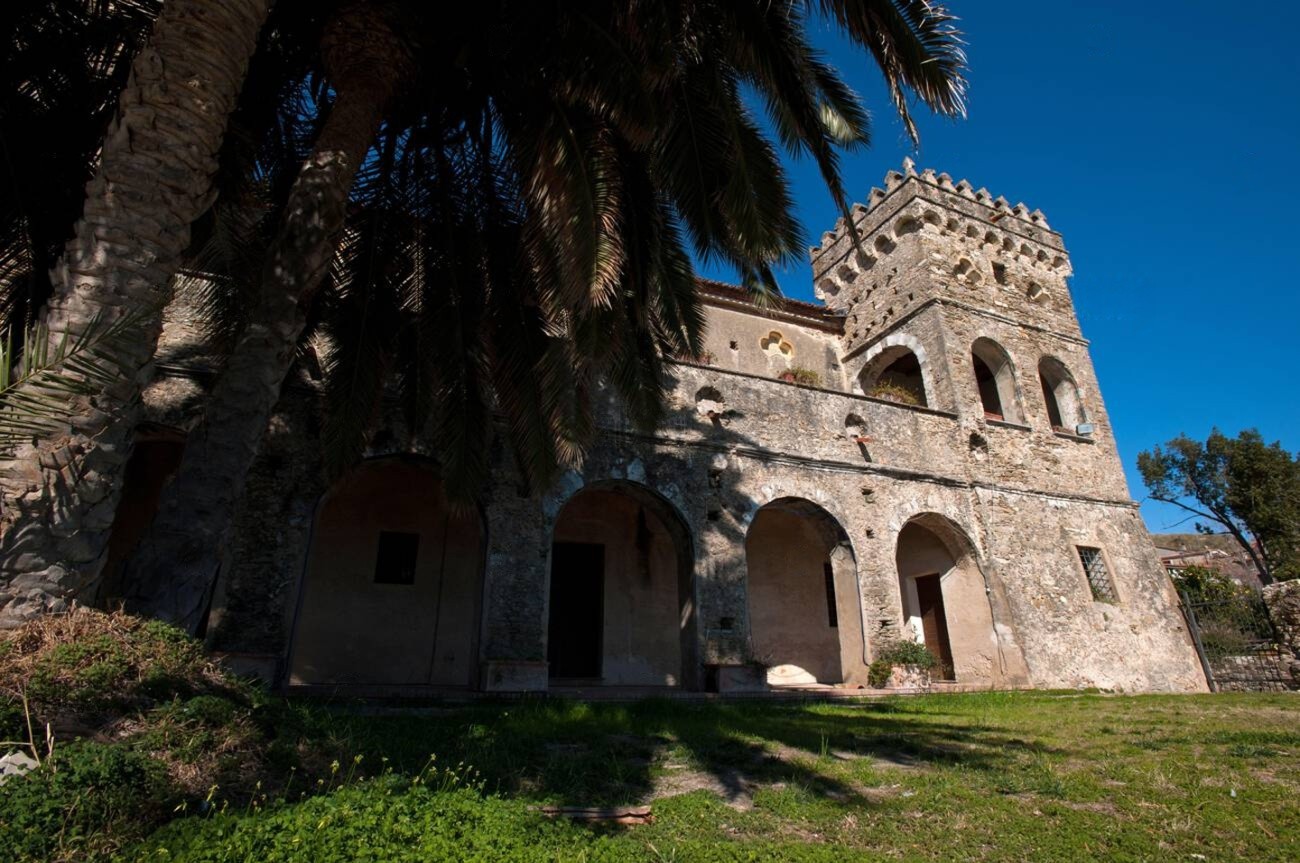
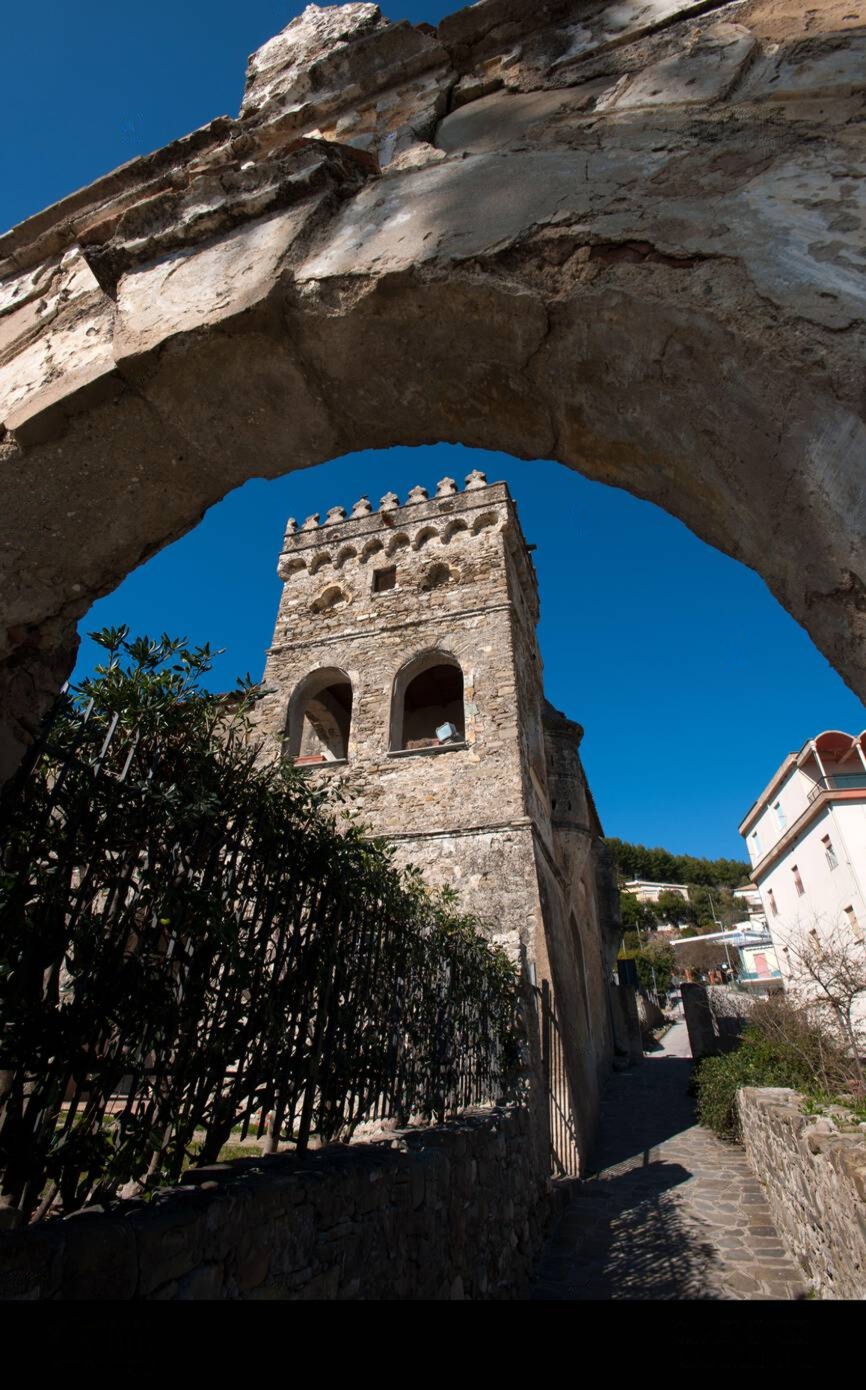
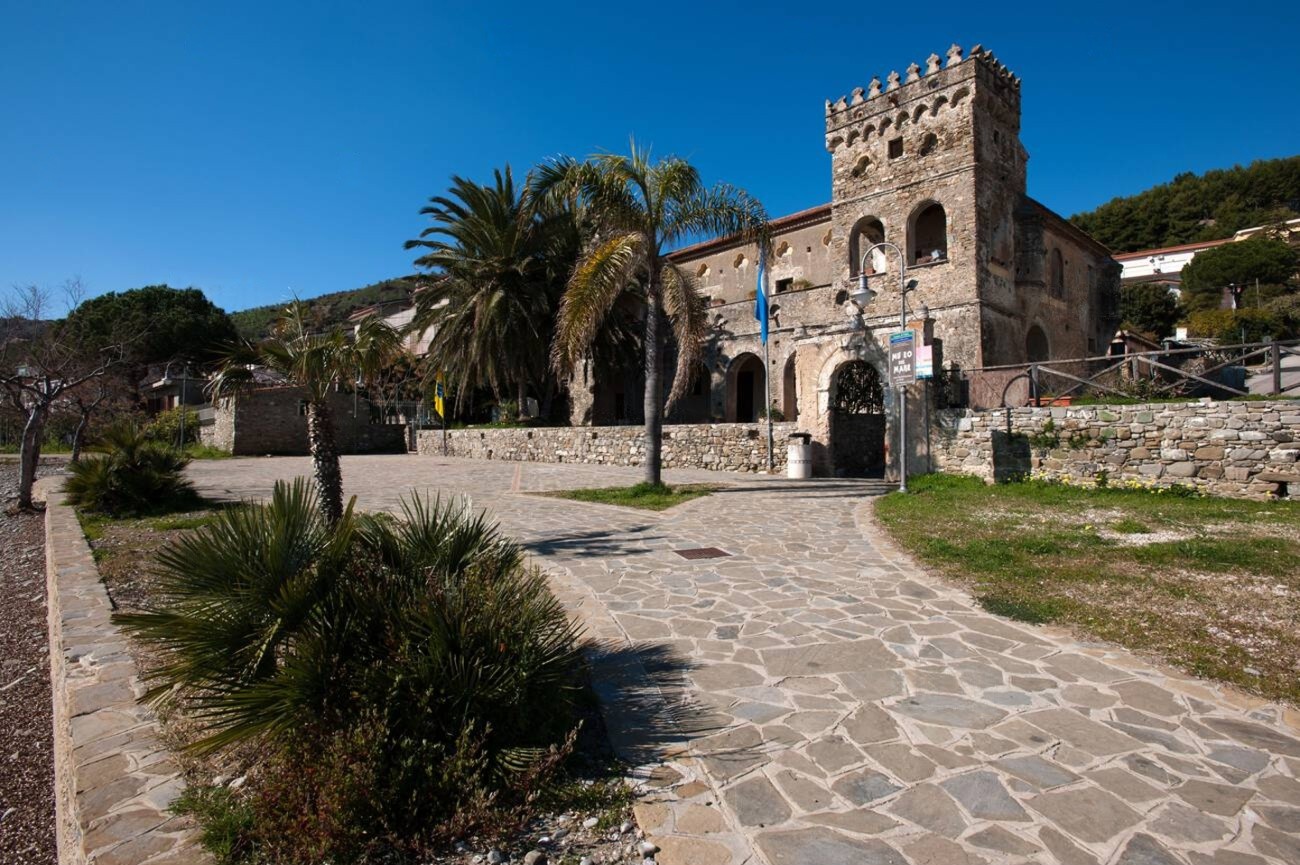
Pollica · Old Town · 12th c. Castle of the Capano Princes Built in the 12th century by the Sanseverino and enlarged by the Capano princes, it dominates the village of Pollica and the entire Cilento coast. Today it houses the Town Hall, temporary exhibitions and breathtaking views from the terrace. Open during cultural events and on request.
Visit
Acciaroli — village of the centenarians Discover
Acciaroli & the Centenarians
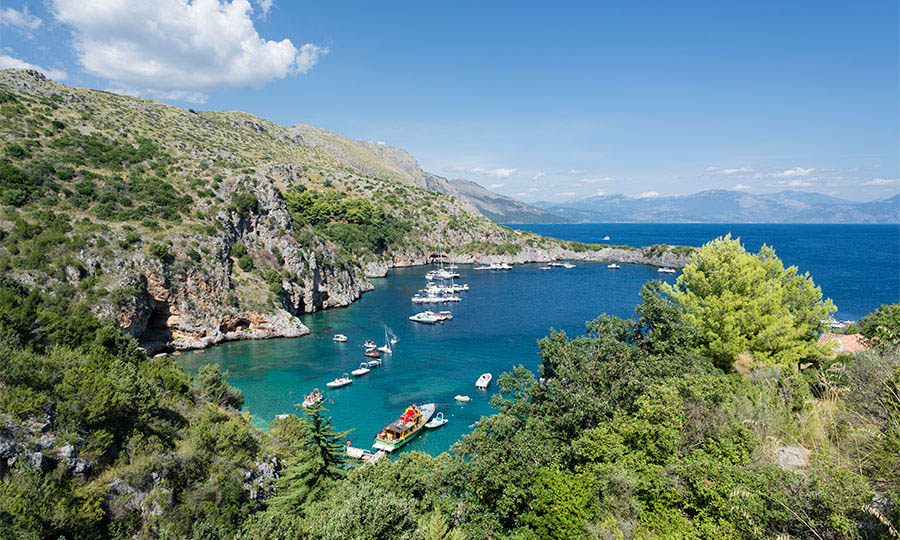
Acciaroli · Blue Flag · Blue Zone Acciaroli — the village of the centenarians A seaside hamlet of Pollica, awarded for over 20 years with the Blue Flag and 5 Sails by Legambiente. A 2016 study by the Sapienza University found one of the highest concentrations of super-centenarians in the world, linked to the Mediterranean Diet and lifestyle. Also loved by Ernest Hemingway, who stayed here in 1952.
Explore
Places & Details

The must-see places – everything you need to know

The stops to experience Pollica and Pioppi: opening times, addresses, tickets and essential verified facts. All information refers to the 2026 season; for updates please check the official website of the Municipality of Pollica.

Living Museum of the Mediterranean Diet — Palazzo Vinciprova, Pioppi 1
Culture · Pioppi

Living Museum of the Mediterranean Diet

€5 / full · €3 reduced Free for under 14 and disabled visitors
AddressPalazzo Vinciprova, Via Caracciolo, Pioppi (SA)
OpeningTue–Sun, 09:30–13:00 / 17:00–20:00 (summer)
ClosedMonday
Duration1–2 hour visit

What you will see

  • Interactive Mediterranean Diet rooms
  • Cilento extra-virgin olive oil room
  • Herbarium of medicinal plants
  • Section dedicated to Ancel Keys and the Seven Countries Study
  • Sea Museum (same ticket)
  • Spaces for educational workshops
🥗 Unique in the world: the only museum entirely dedicated to the Mediterranean Diet, recognised by UNESCO in 2010.
Castle of the Capano Princes — Pollica old town 2
History · Pollica centre

Castle of the Capano Princes

Free / exterior and courtyard Events and exhibitions: free entry by appointment
AddressPiazza Castello, 84068 Pollica (SA)
Origin12th century (Sanseverino → Capano in the 16th c.)
Altitude171 m a.s.l., with sea view and Castello d'Aragona
Function todaySeat of the Municipality of Pollica

Don't miss

  • Panoramic terrace over the Cilento coast
  • Medieval city walls
  • Chapel of San Nicola
  • Alleys of the historic village of Pollica
  • Summer events: "Notte delle Lampare" in August
🏰 TCI Orange Flag village: central Pollica is one of the most beautiful villages in Italy certified by the Touring Club.
Acciaroli — harbour and village of the centenarians 3
Sea · Acciaroli

Acciaroli & the Centenarians

Free / visit to village and harbour Free beach + lidos from €12/sunbed
Distance4 km from Pioppi, 12 km from Pollica
FlagsBlue Flag for over 20 years · 5 Sails by Legambiente
2016 studySapienza + San Diego: % of centenarians among the highest in the world
HemingwayStayed here in 1952, inspiring "The Old Man and the Sea"

What to see

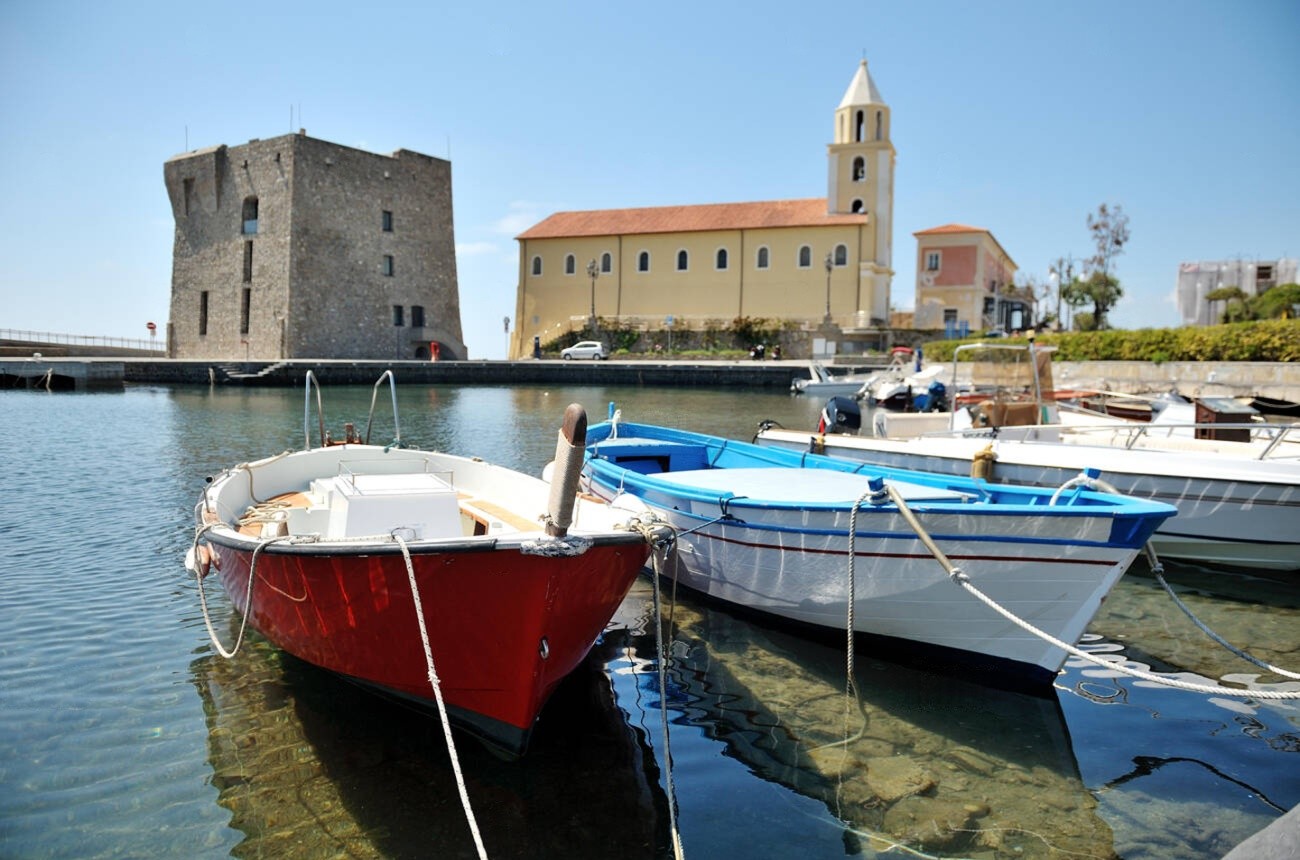
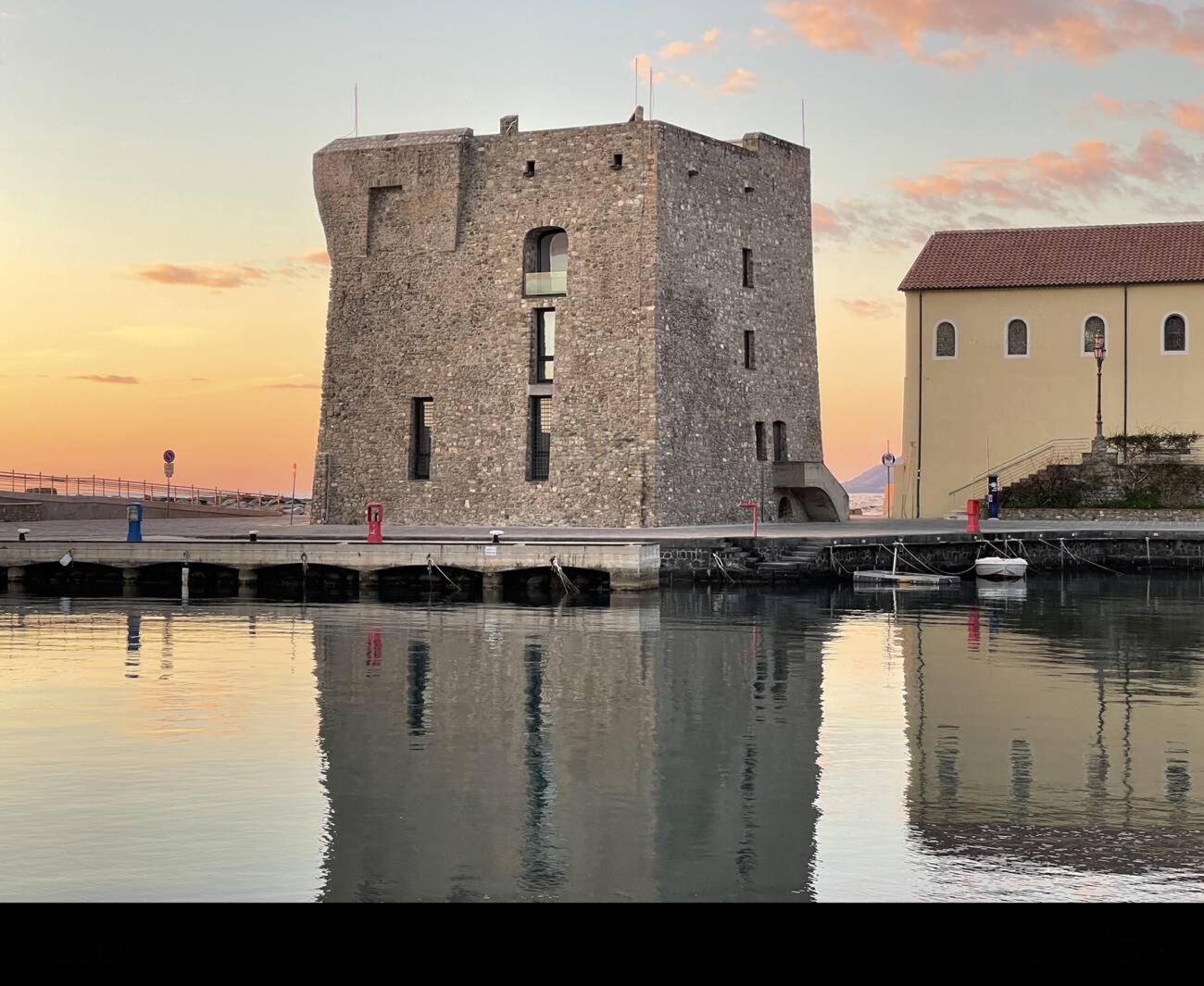
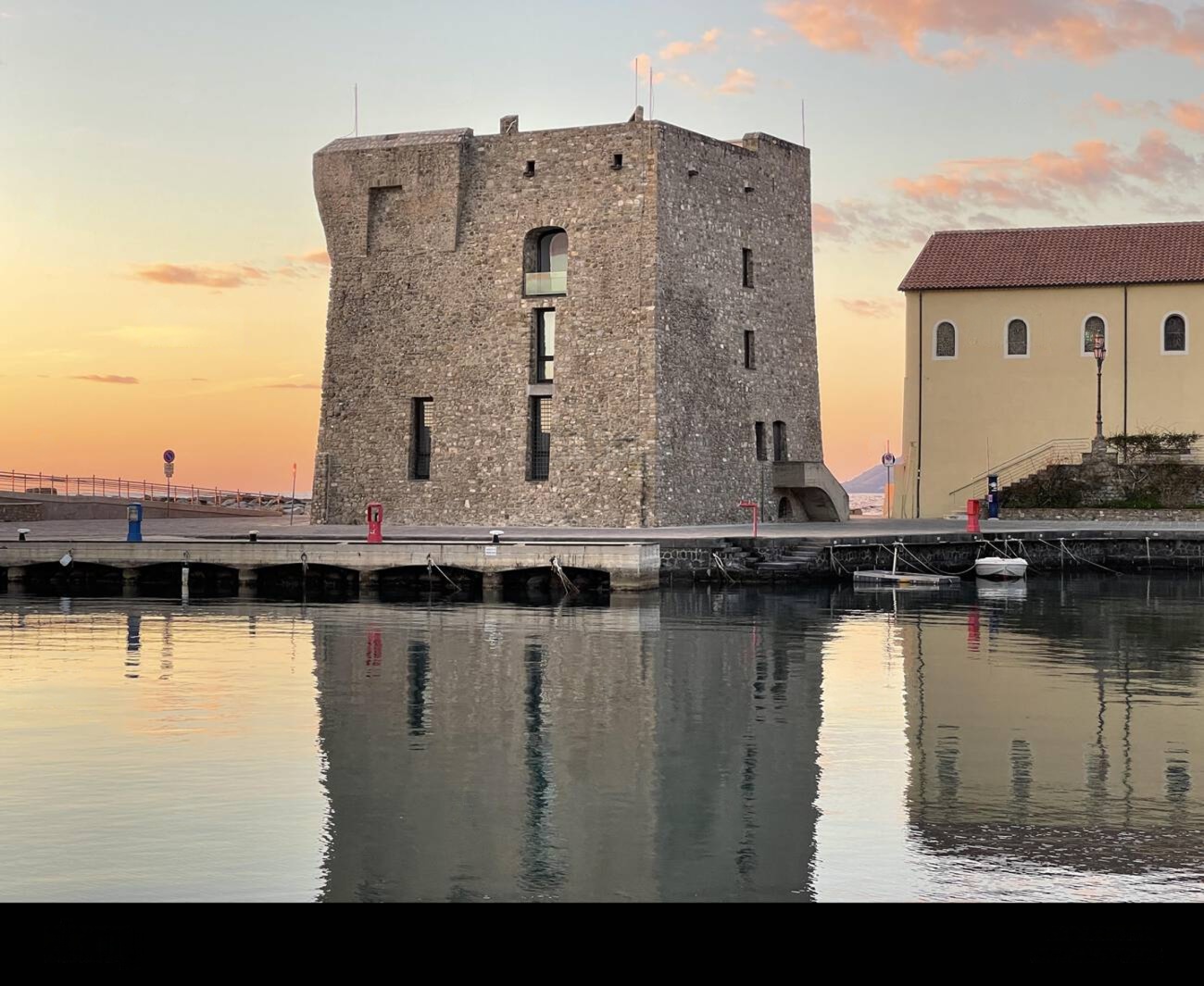
  • Norman Tower and marina
  • Church of Maria SS. Annunziata (12th century)
  • Capo dell'Acquabianca and La Caprizi beaches
  • Seafront with restaurants and shops
  • Lentisco trail towards Pioppi
🧓 Informal Blue Zone: international studies on the Acciaroli centenarians have identified a protective peptide (mAP) in the residents' blood.

Sources: Municipality of Pollica, Touring Club Italiano, FEE Italia (Blue Flags), Sapienza University – San Diego School of Medicine 2016, UNESCO 2010 (Intangible Heritage Mediterranean Diet). Last updated: May 2026.

The heart of the village

Pioppi: the village by the sea

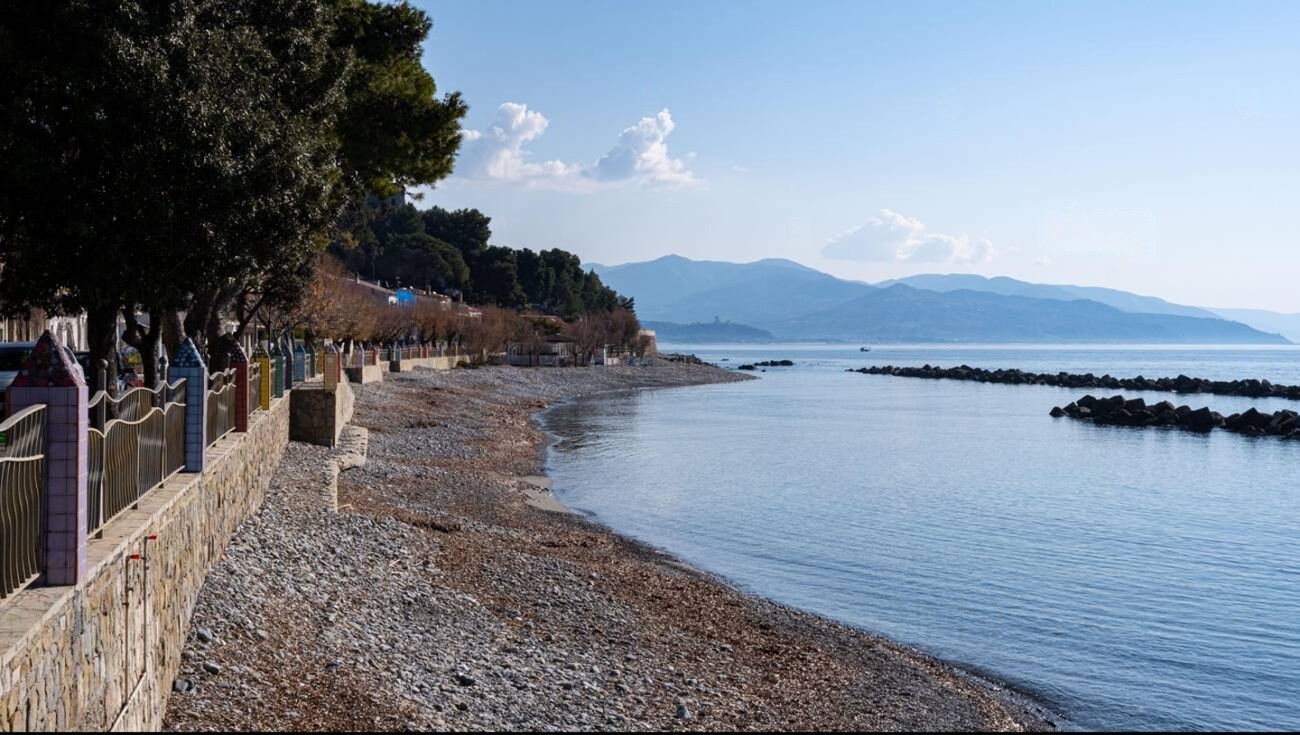
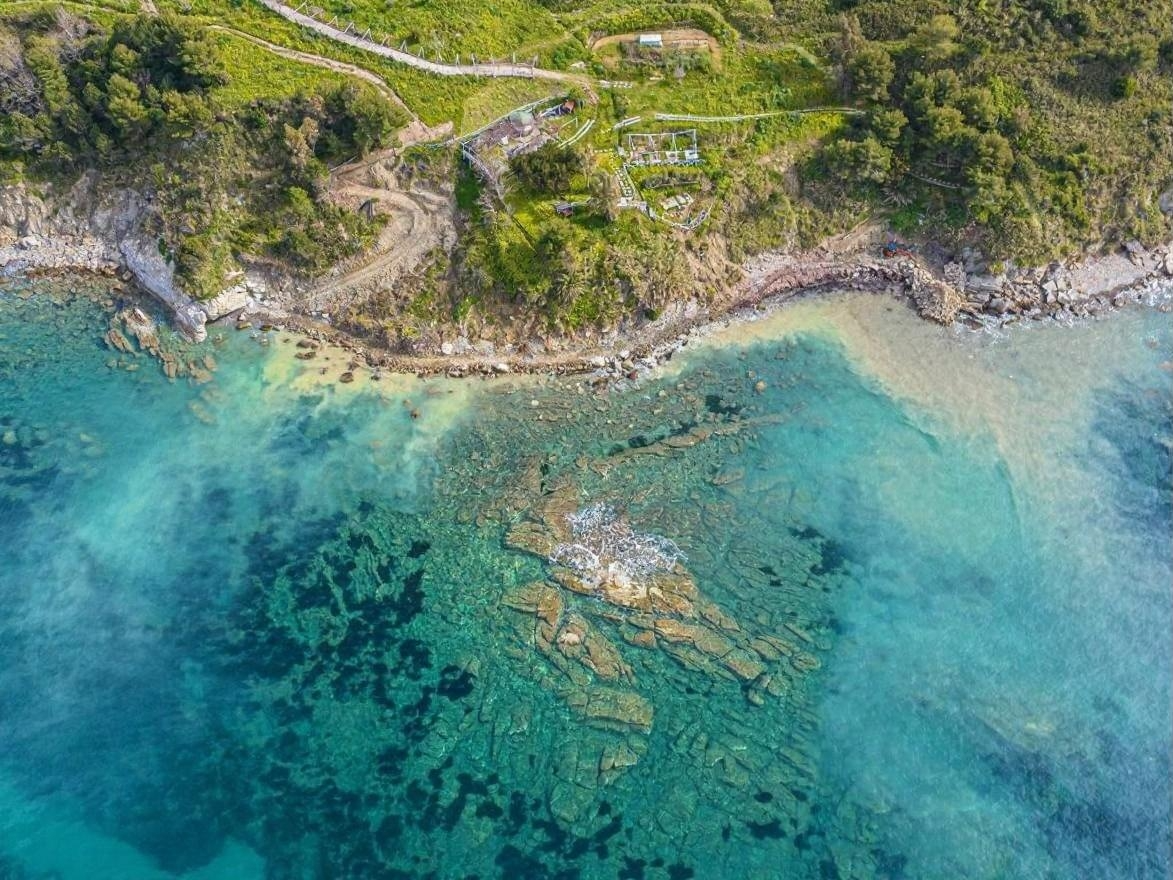
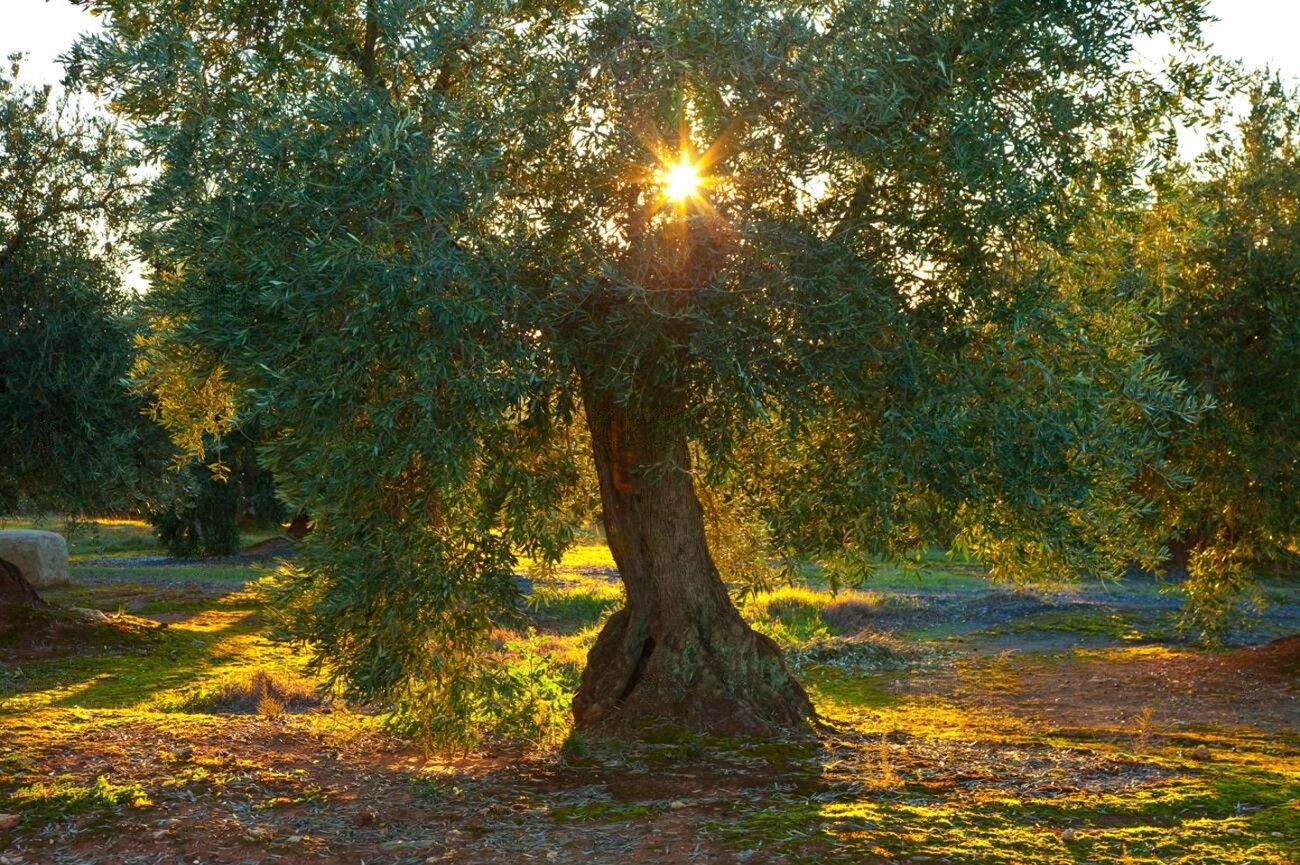
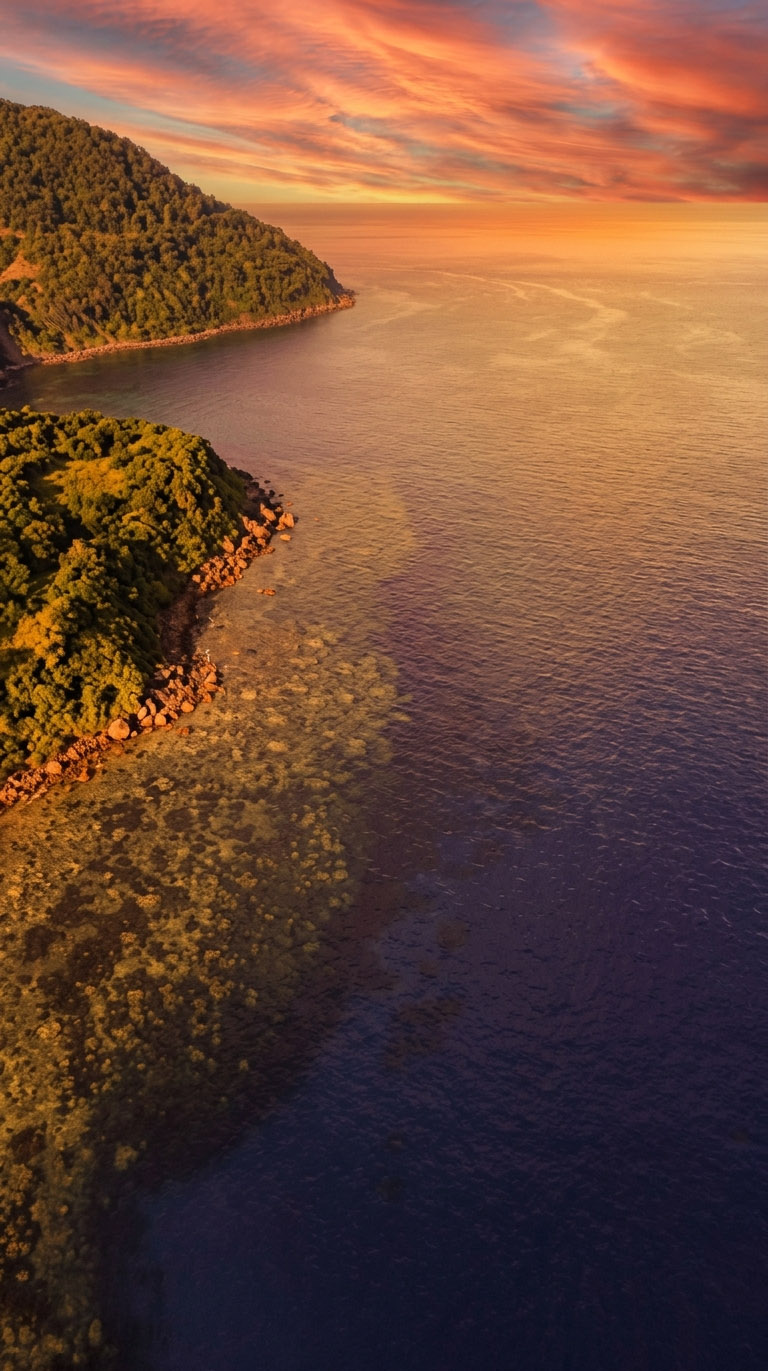
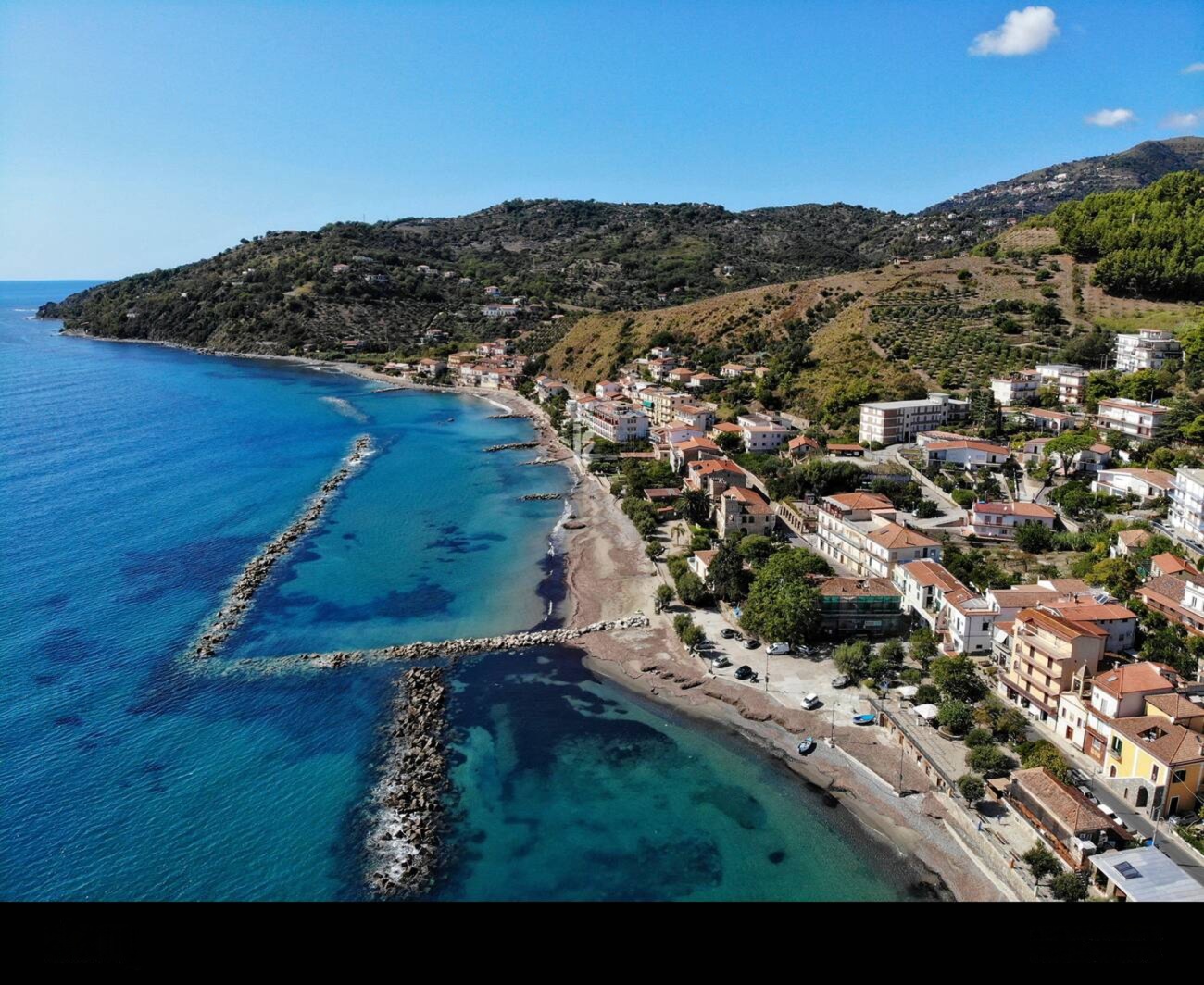
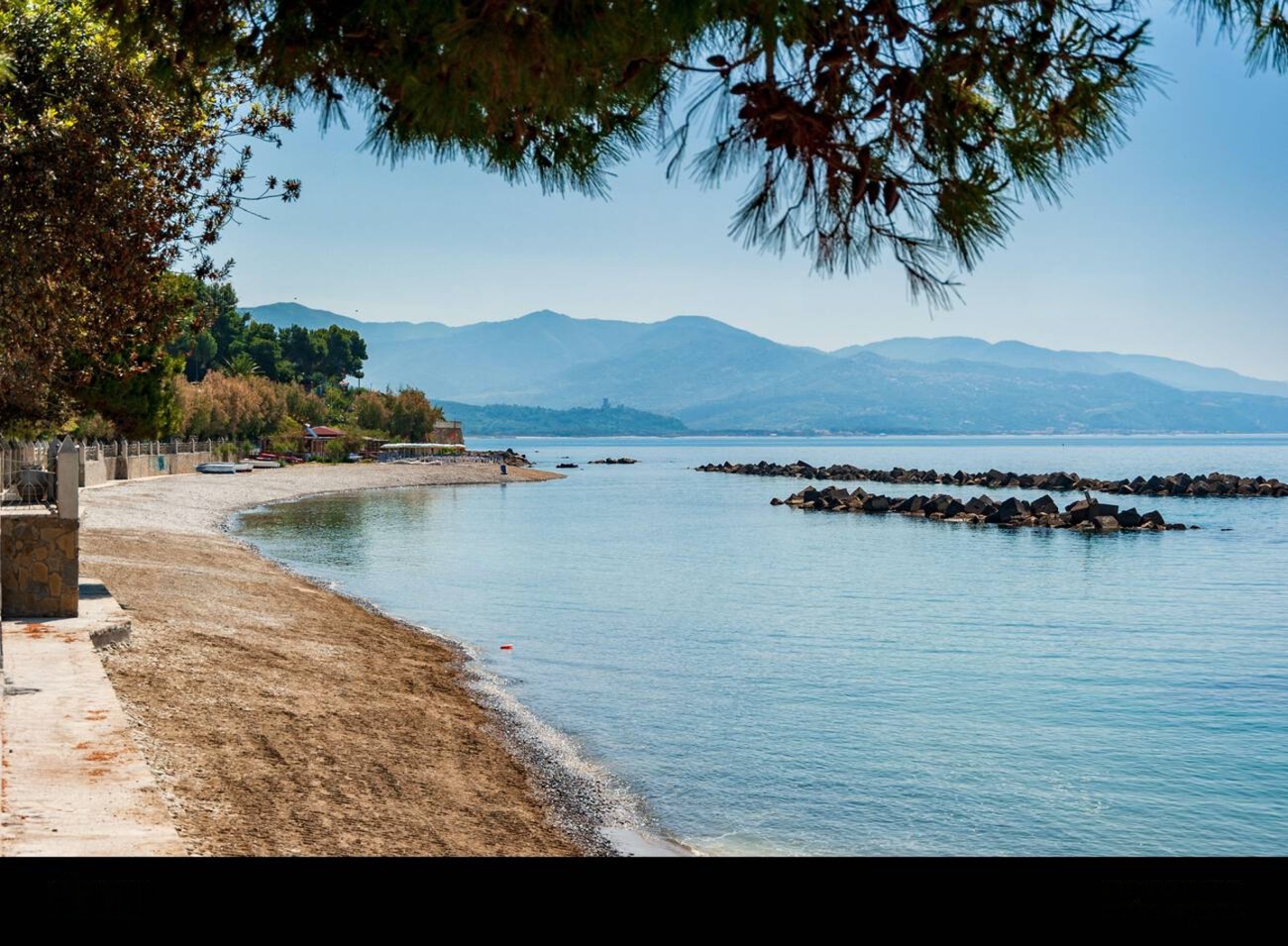
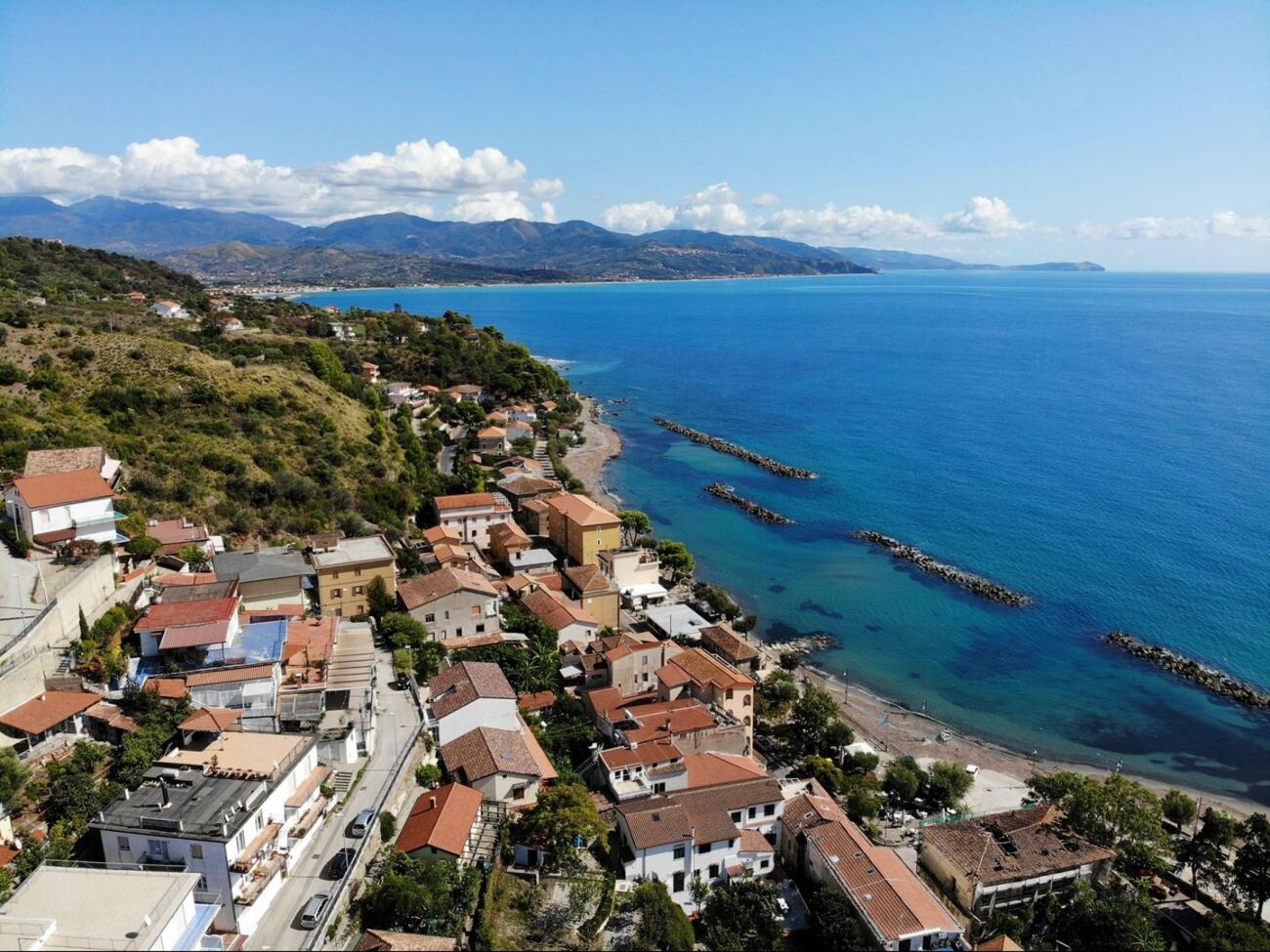
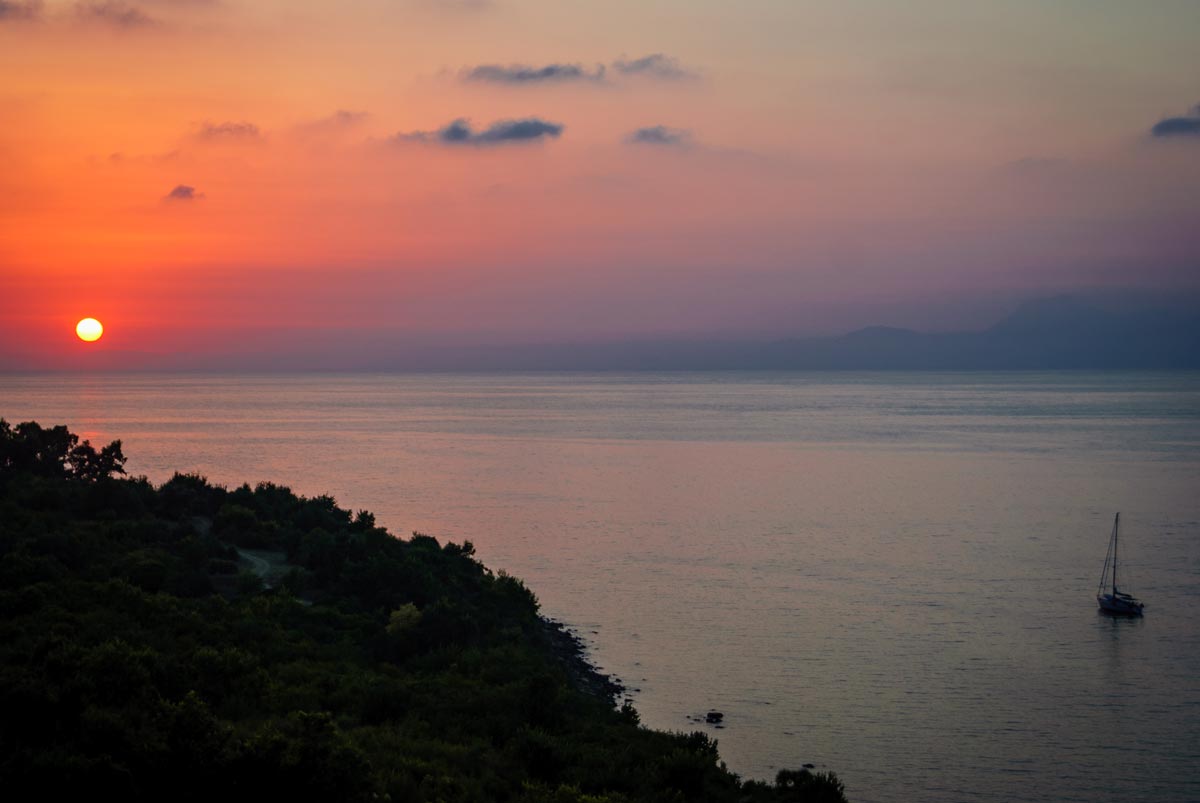
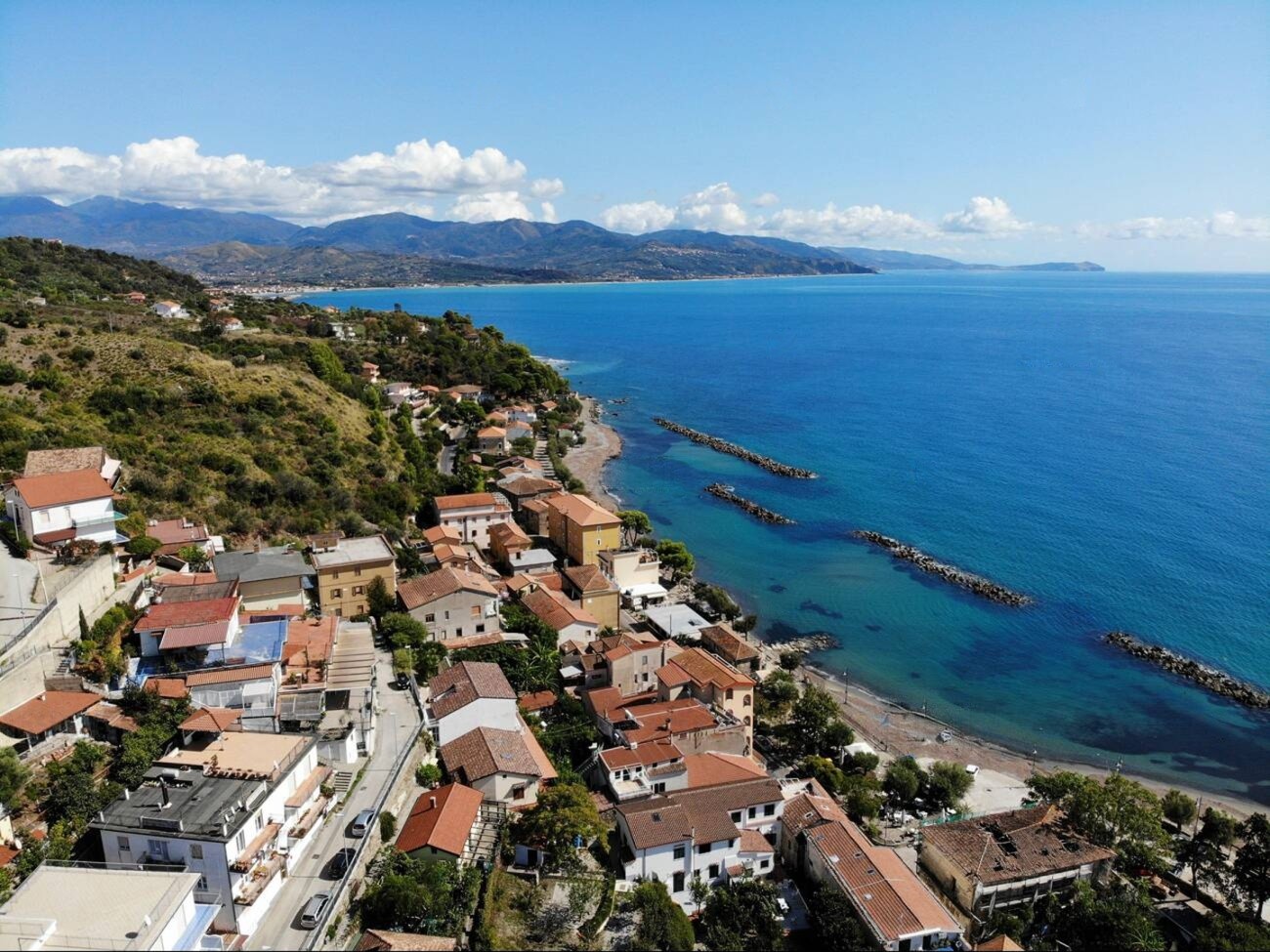
A tidy marina between the blue of the Tyrrhenian Sea and the green of the Cilento olive groves. Pioppi is a small village of about 350 inhabitants, a hamlet of the Municipality of Pollica, famous for having been the home of Ancel Keys and for giving the scientific birth to the Mediterranean Diet. Beaches of sand mixed with pebbles, historic palaces, the Living Museum, the salty air: here you breathe the authentic Mediterranean.

Hamlet of Pollica · Cilento

Pioppi lies in a central position between Acciaroli (4 km to the south-east) and Casal Velino (5 km to the north-west), within Cilento, Vallo di Diano and Alburni National Park — UNESCO heritage since 1998.

The village is home to Palazzo Vinciprova (seat of the Living Museum of the Mediterranean Diet and the Sea Museum), the church of San Nicola di Bari, the house of Ancel Keys and a small harbour for small boats.

Good to know before you go

• Pollica town centre: 171 m a.s.l., Pioppi by the sea • ~2,400 total inhabitants in the municipality • TCI Orange Flag for the village • FEE Blue Flag for Pioppi and Acciaroli • 5 Sails by Legambiente for over 15 years • Nearest railway station: Vallo della Lucania-Castelnuovo (13 km) • Nearest airport: Naples-Capodichino (160 km)
Plan your visit
Plan your visit

Choose where to start, live Cilento

In-depth pages to organise your stay in Pollica and Pioppi: what to see, where to sleep, what to eat in the village of the UNESCO Mediterranean Diet.

Contact the Info Point
Frequently asked questions

Everything you need to know about Pollica and Pioppi

Verified answers to the most common questions from those planning a visit to the village of the Mediterranean Diet. For specific cases, contact the Pollica Info Point directly.

Where is Pioppi?
Pioppi is a hamlet of the Municipality of Pollica, in the Province of Salerno, within Cilento, Vallo di Diano and Alburni National Park. It faces the Tyrrhenian Sea between Acciaroli and San Mauro Cilento, about 40 km from Agropoli and 100 km from Salerno. Coordinates: 40°10′N, 15°02′E.
Why is Pioppi famous for the Mediterranean Diet?
In 1962 the American physiologist Ancel Keys moved to Pioppi, where he lived until 2004 (over 40 years). Here he developed and formalised the scientific model of the Mediterranean Diet through the Seven Countries Study. In 2010 UNESCO recognised the Mediterranean Diet as Intangible Cultural Heritage of Humanity, and Pollica is one of the seven emblematic communities of the designation.
What to see in Pollica and Pioppi in one day?
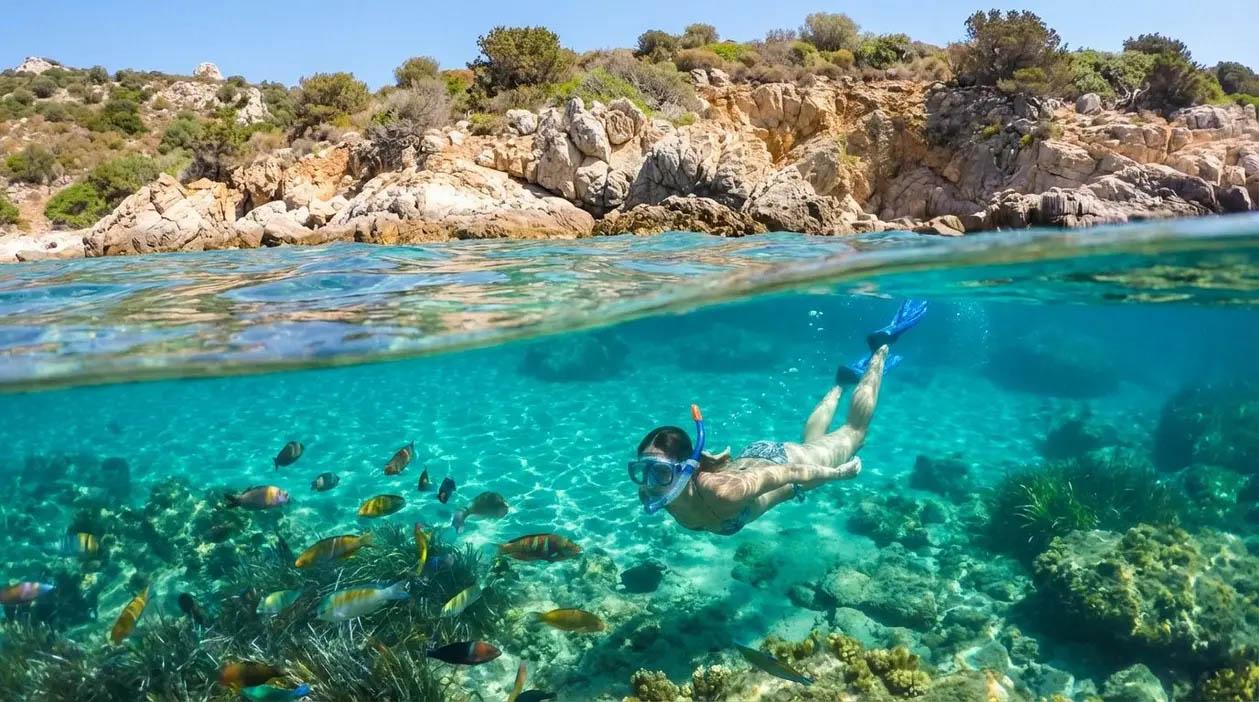
In one day you can visit: the Living Museum of the Mediterranean Diet at Palazzo Vinciprova (Pioppi, ~2 hours), the Pioppi seafront with Ancel Keys' house (~30 min), the Castle of the Capano Princes in central Pollica (~1 hour) and the historic village of Acciaroli with its harbour (~1 hour), with a beach stop for a swim in the crystal-clear water. Recommended itinerary clockwise starting from Pioppi.
Is Acciaroli really the village of the centenarians?
Yes. A 2016 study by the Sapienza University of Rome and the San Diego School of Medicine found in Acciaroli a percentage of centenarians above the national average, attributed to the Mediterranean Diet, an active lifestyle and a peptide (mAP – mitochondrial-derived peptide) present in the residents' blood. It is considered one of the informal Blue Zones of the Mediterranean.
When is the best time to visit Pollica and Pioppi?
The swimming season runs from May to October, with water at 22–26°C between June and September. To avoid summer crowds, the ideal months are May, June and September. The village can be visited all year round for culture, trekking in Cilento National Park, autumn festivals (new oil in November) and cuisine.
Do Pioppi and Acciaroli have the Blue Flag?
Yes. The Municipality of Pollica, with the resorts of Pioppi and Acciaroli, has received the FEE Blue Flag for bathing water quality and environmental management for over 20 consecutive years, among the longest-running records in Italy. It also holds the 5 Sails by Legambiente for over 15 years.
How to get to Pollica and Pioppi?
By car: A2 Salerno-Reggio Calabria, Battipaglia exit, then SS18 to Vallo Scalo, SP430 to Pioppi (~1h from Salerno).
By train: Vallo della Lucania-Castelnuovo station (13 km), then taxi or local bus.
By air: Naples-Capodichino Airport (160 km, ~2h by car) or Salerno-Costa d'Amalfi (110 km).
What do you eat in Pioppi?
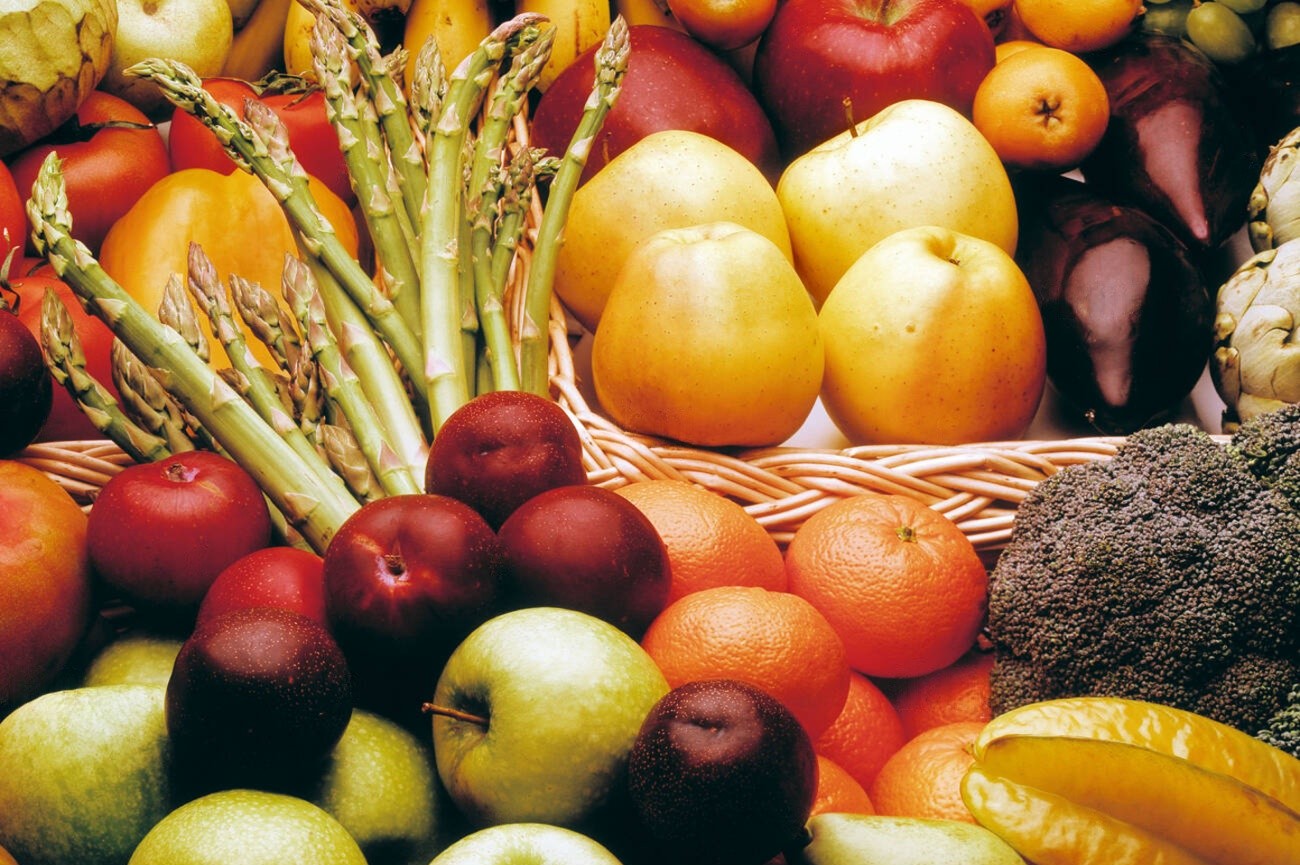
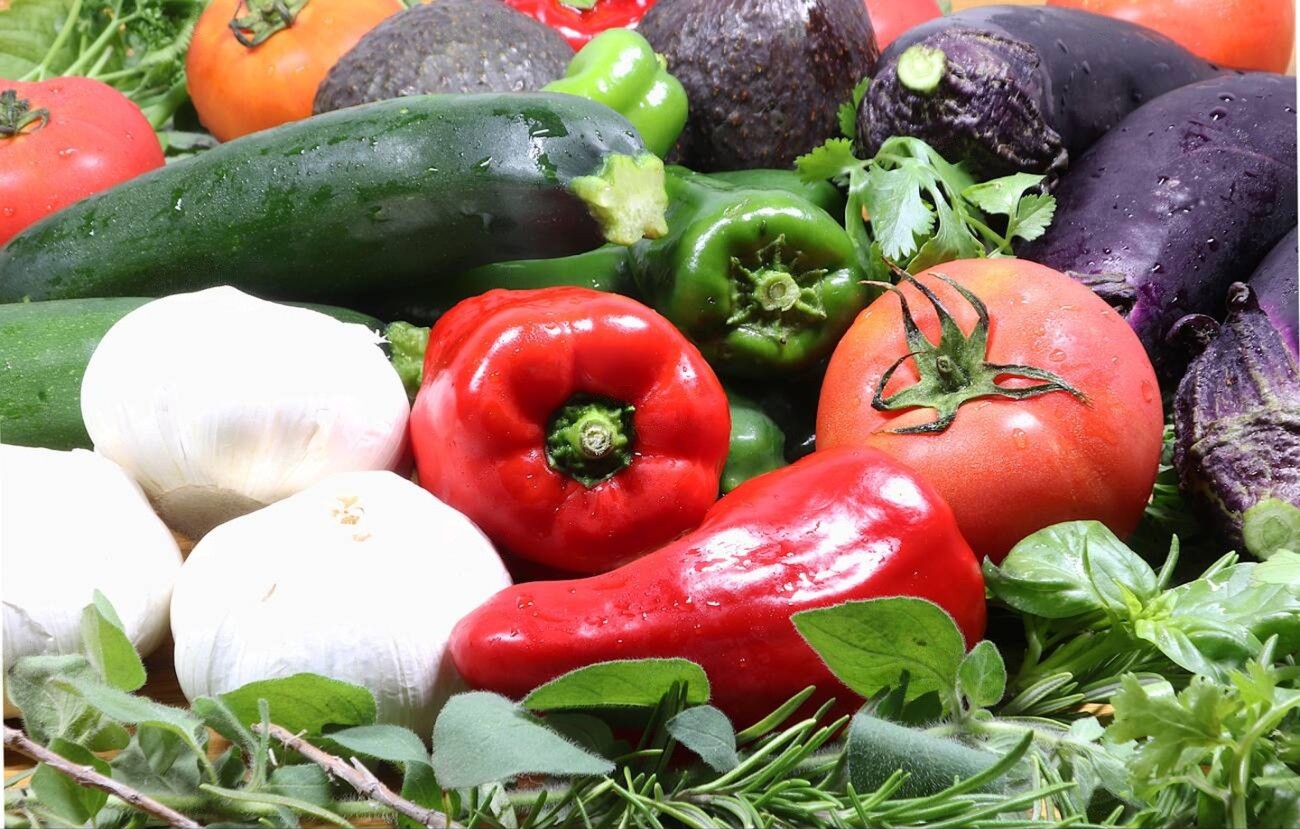
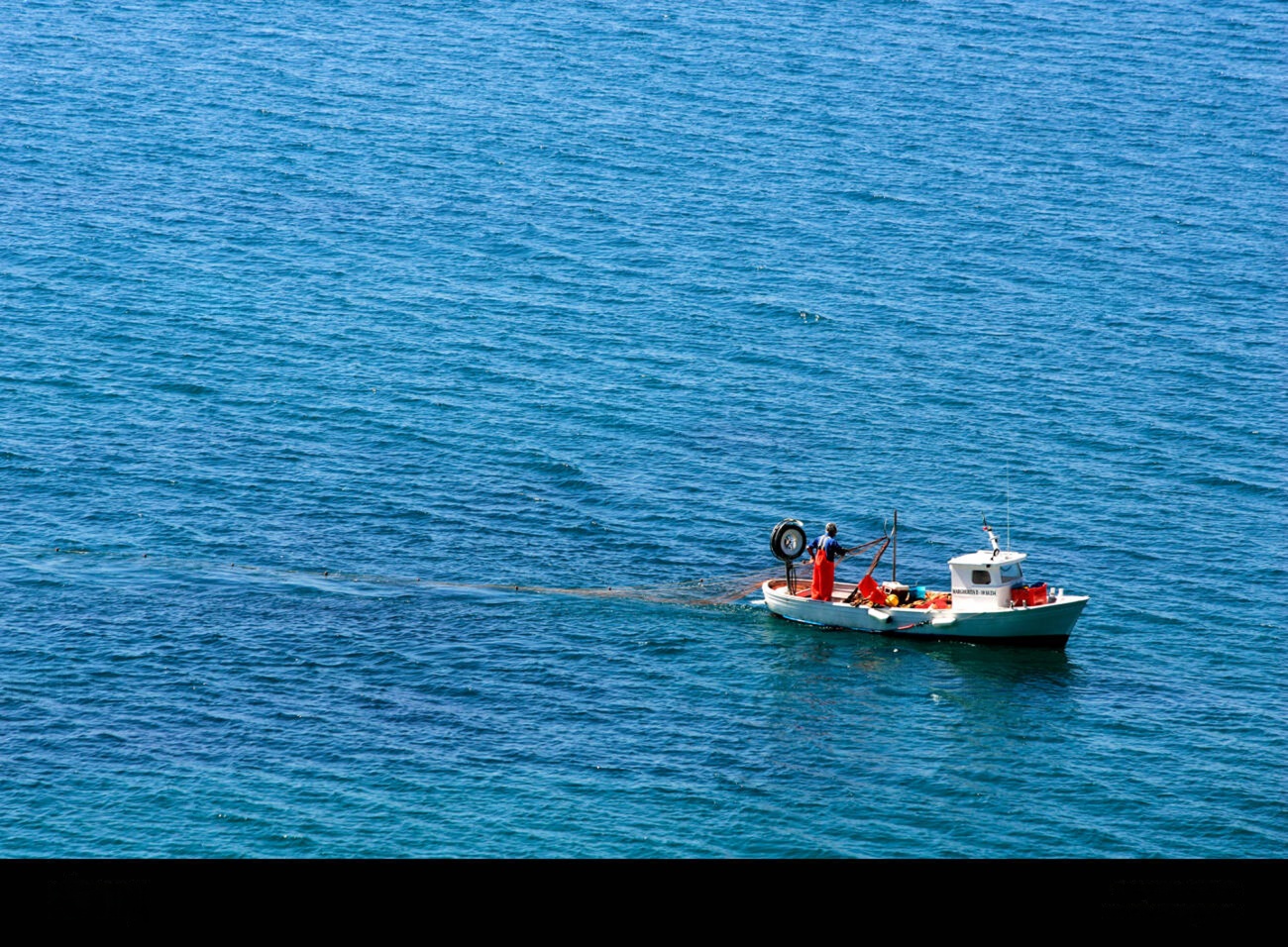
The cuisine of Pollica is the manifesto of the Mediterranean Diet: fresh Cilento pasta (fusilli, lagane and chickpeas), menaica anchovies (Slow Food Presidium of Pioppi), PDO Cilento extra-virgin olive oil, Campania buffalo mozzarella, white figs, Cilento DOC wine. The menaica anchovies are caught with a traditional net found only here and in Marina di Pisciotta.
Tourist Info Point

Plan with us

+39 0974 901014
Via Roma, 1 – 84068 Pollica (SA)

Pollica · Pioppi · Acciaroli
Galdo · Cannicchio · Celso
Cilento National Park

Mon – Sat: 09:00 – 13:00 / 16:00 – 19:00
Summer: every day until 21:00